Kittiwakes come to shore

April 23, 2020

Out on the beach, I threw handfuls of bread and expected gulls to swoop. The gulls weren’t interested. This is Britain’s eastern tip, in Lowestoft, and the gulls are the fifteen inch long kittiwakes. They eat small fish not bread, and are here to breed.
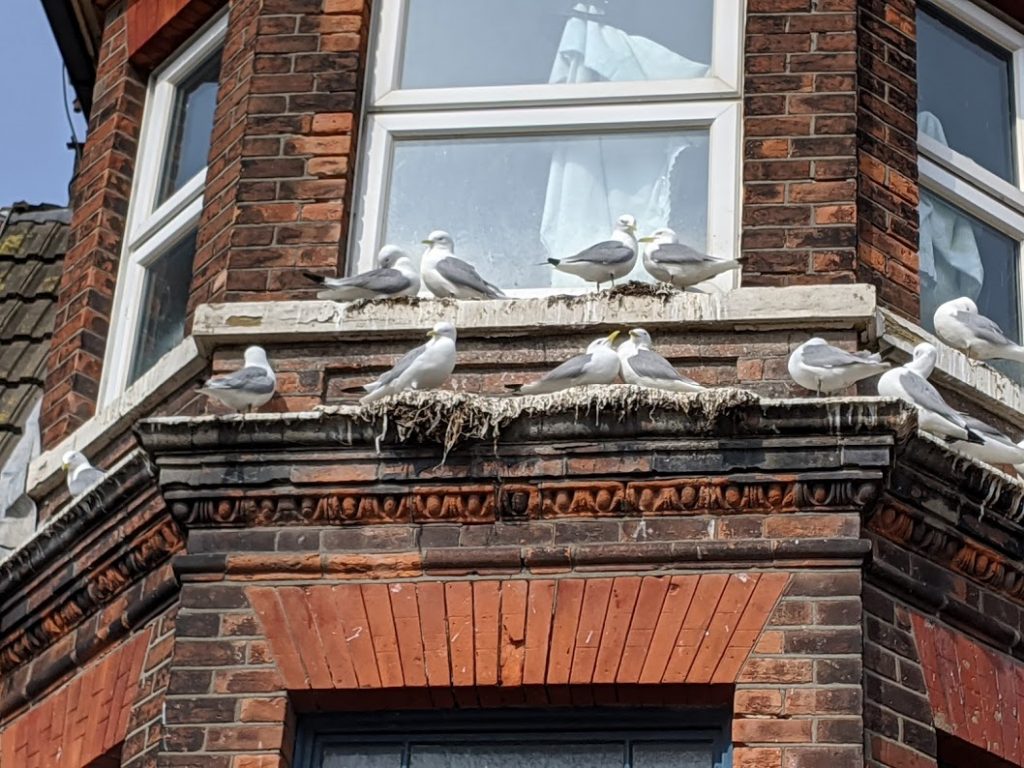
And this is new. Kittiwakes spend the winters out at sea and only come to land to nest. Previous breeding pairs I’ve seen have been on cliff faces much further north of here. They tuck onto the smallest ledge where they somehow balance their batch of two or three eggs. Now those sea cliffs are being abandoned, and colonies on remote islands are empty. With climate change, seas are growing stormier. And they are warming too, which drives such fish as caplin to colder waters further north. Kittiwake love caplin, but the fish are now remote from their traditional nesting grounds.
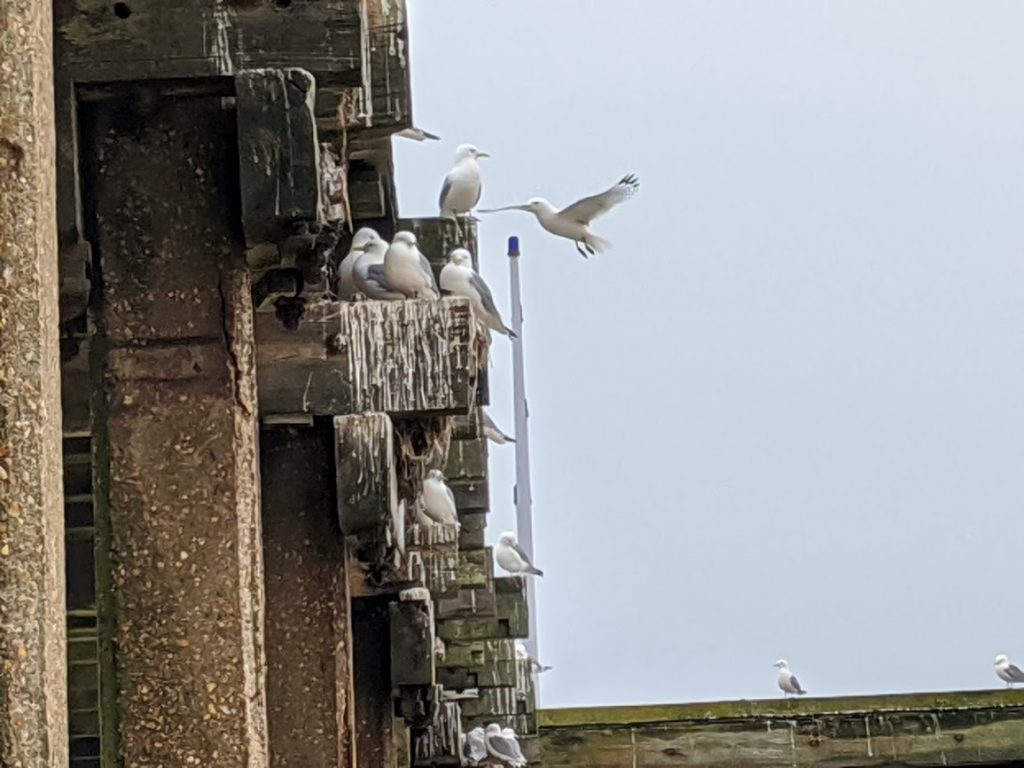
Which is why I now meet them in Lowestoft. A former fishing town, seeking to renew itself with wind turbines, much of Lowestoft’s seafront buildings are abandoned. Kittiwakes claim every window ledge, slice of guttering, chimney pot, and extractor fan. A wooden pier reaches into the sea, and from March to September it is rimmed with kittiwakes. We watch them settle, a youngster from the previous batch still with its parents, opening its beak to display to them its red mouth.
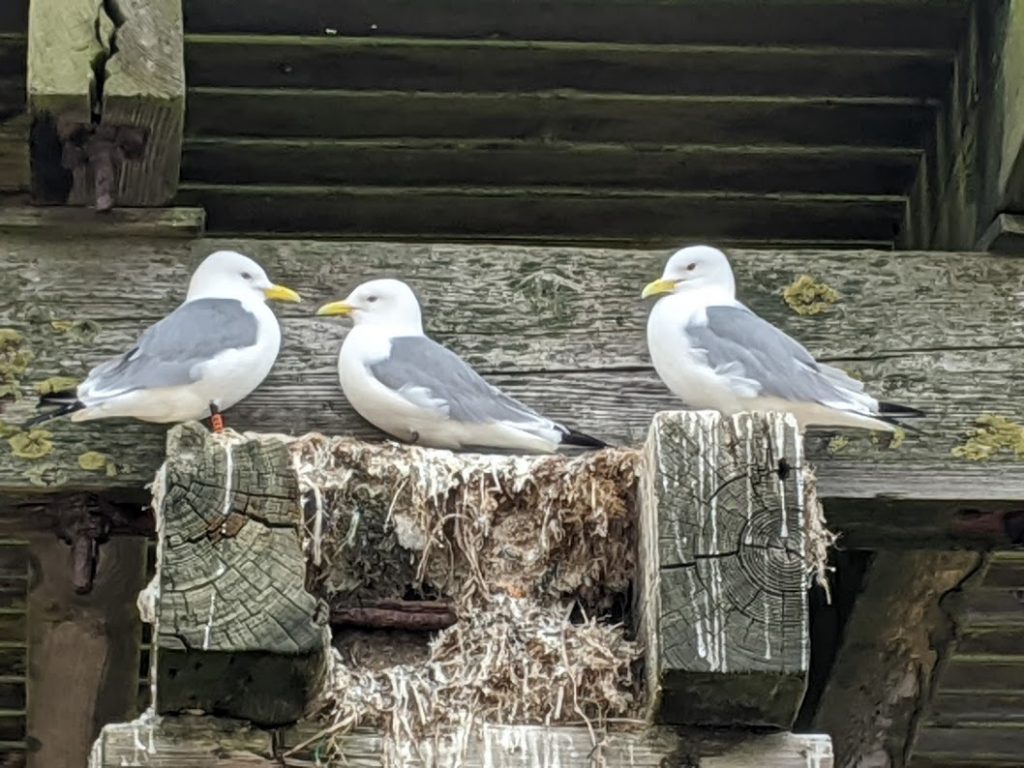
On the International Union for the Conservation of Nature’s red list kittiwakes are declared a vulnerable species. In some areas their populations have plummeted by ninety per cent. Their breeding in these new urban cliffs of our abandoned buildings is fairly successful. Councils come along in the Autumn and clean up the white mess from their nests that thickens the paving below. A house owner has written a timely sign for his front window. ‘Please be aware the Kittiwakes are not randomly pooping. They are helping with social distancing.’

Kittiwakes are so graceful in flight. This is good practice at welcoming climate change exiles to our shores.

One novel, two questions – The Cellist of Dachau

March 4, 2019

I ask myself a couple of questions about The Cellist of Dachau. And answer them … another day would bring other answers, but these are also true.

What does The Cellist of Dachau want to achieve?

My musician character, Otto, sees his family wiped out. He sees a photo of a Nazi family and wishes them dead. Then he sees how the seed of murder has been placed in him. I write about the aftermath of wars, and how the effects are passed down through generations. Characters come to see how much they are shaped by wars that went before them. It leaves them raw, and they come to cope with that.

Music’s a huge theme. How did you approach it?

It starts from the old riddle, how does a Nazi commit atrocities yet love Bach and Schubert? The Cellist of Dachau examines that, and George Steiner’s question of how art could exist after the Holocaust. I do it through the vehicle of a young Jewish musician who survives when his family does not. He had to play the music of J. S. Bach to survive. As a composer, for his original music to retain meaning for him, it has to encompass a past he is terrified of facing.

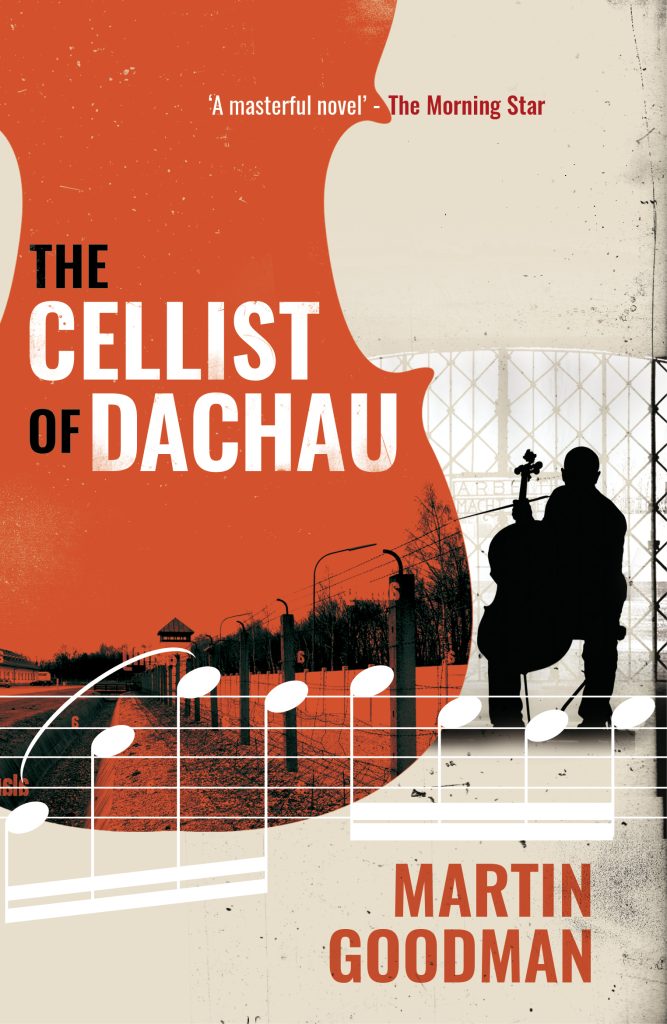
The Cellist of Dachau

February 9, 2019

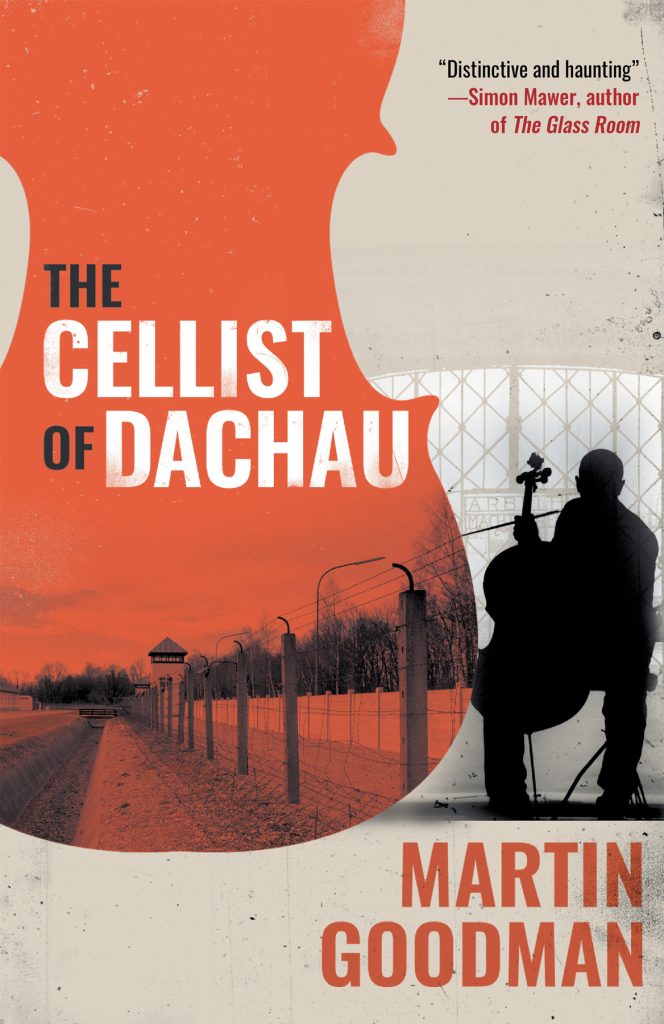
The Cellist of Dachau takes music and the Holocaust as its theme. In 1938, Otto Schalmik, a 19-year-old musician from a Jewish family in Vienna, is arrested by Nazi police. Transported to Dachau, he is summoned to the home of the camp’s Adjutant, Birchendorf, who forces him to scrub the floors and play Bach on a priceless looted cello.


In 1990s California, Otto, now a world-famous composer, and a young Australian musicologist, Rosa, discover the ways in which their lives are linked through music and history.
Weaving together the stories of three generations of women from both sides of Germany’s 20th century horror story, J SS Bach explores the ongoing impact of war and the power of music as a transcending force to heal and rebuild lives.

Here’s  an essay on the makings of The Cellist of Dachau in its earlier incarnation as J SS BACH, published in Granta’s ‘Notes on Craft’ series

Paul Simon concludes his review in The Morning Star with the sentence: ‘A masterful novel’.

Sarah Birch gives the book a fine and considered review in Hackney Citizen, noting is as ”a subtle novel that treads delicately around identity, values and life purpose.’

And here’s Martin’s interview with Morning Star.

BBC Radio 3’s FREE THINKING featured an interview between Anne McElvoy & Martin, from 13′ in here. A brief excerpt from the interviewer Ann McElvoy: ‘Music is at the heart of this novel and all the contested relationships in it. I noticed, as someone who loves classical music, that the way the composition and performance is threaded through is very detailed.’

‘Most moving and impressive. Martin Goodman manages an original stance on what has become all too familiar – the ‘Holocaust’ novel – and has created something really worthwhile as a result. It is beautifully structured and has a distinctive and haunting tone. Altogether a very clever and memorable piece of work.’ – Simon Mawer, author of The Glass Room

‘Looks squarely at the horrors of the 20th century, and old divisions that still fester…This is one powerful story that dares to hope, and shows the way to love.’ – Bonnie Greer

And here’s a touching and lyrical response to the book from Marina Mahler, granddaughter of the composer and founder and president of the Mahler Foundation.

A wonderful story
A beautiful book!
About the unimaginable
And what can grow from it

The View from my Window

February 7, 2019

My window faces north. On winter mornings, the house’s shadow draws close as the low sun lights up the neighbours’ gardens. On the fence close by a wood pigeon has been keeping me company for an hour. It’s surveying its meal on the birdfeeder below. These London fences offer occasional drama. Suddenly a cat races along one; one squirrel chases another. Sometimes, and most surprisingly, a fox treads the narrow pathways of these fence tops. Look up and I see the sky, and even in winter, as now, there is enough greenery to cheer me. As I write a book, trees leaf and blossom and then the gardens turn bare again. Books are timeless, but the view from my window links me to the seasons.

Christine Milne- An Activist Life

July 11, 2018

In Hobart in August, Winter was just pushing into Spring. An imported daffodil bloomed in the park. A forest raven cawed a spectacularly mournful song from the eucalyptus trees beside Seven Mile Beach. Mount Wellington dominates the city. Its flanks are rainforest but snowploughs were clearing the way to its summit. The city streets were empty at night. Tasmanians hibernate in the cold months, we were told. So it was encouraging to watch Fullers Bookshop fill up. 

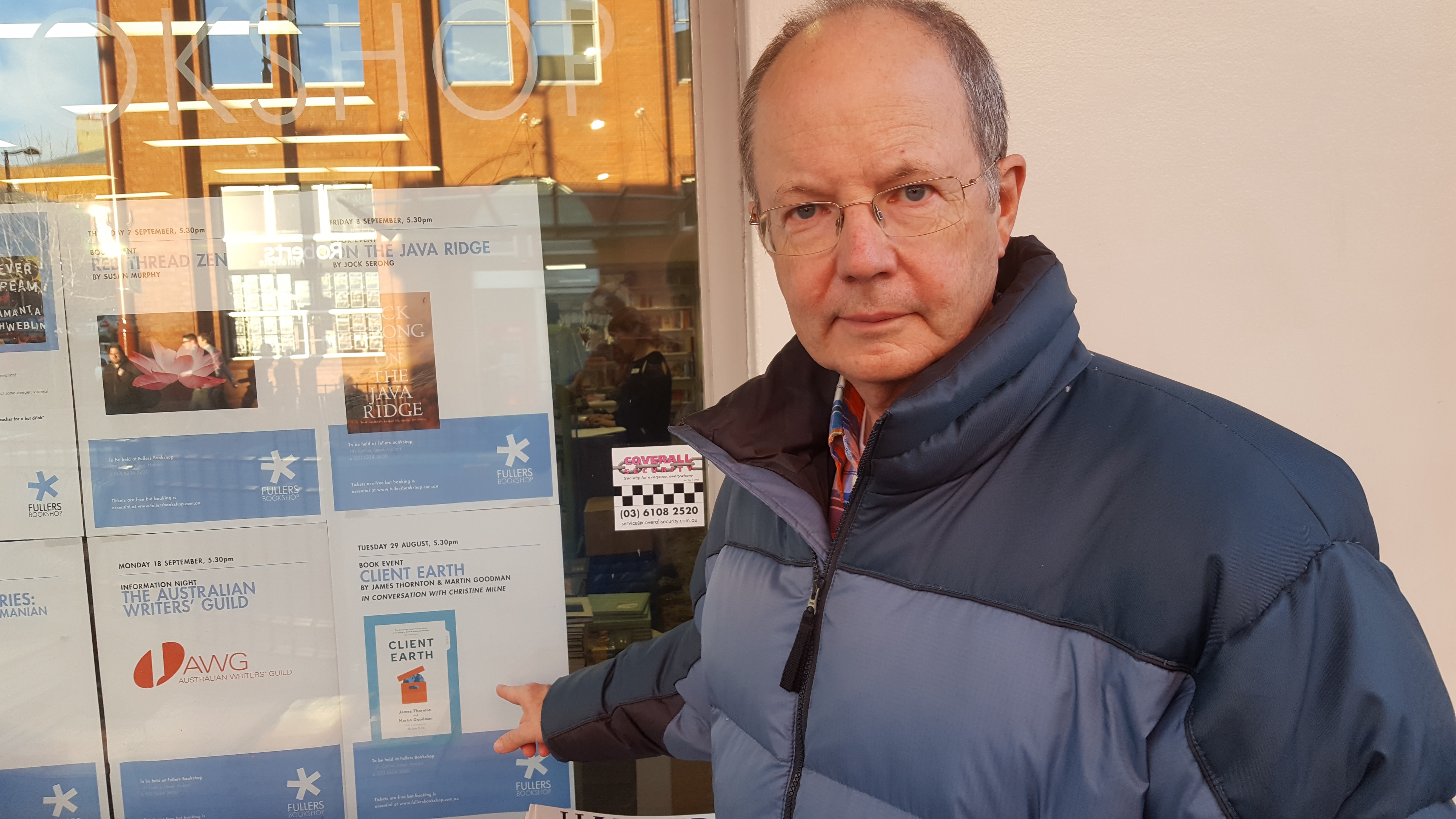
This was the most southerly venue for the booktour in which James Thornton (pictured outside Fullers) and myself have been sharing Client Earth with the world. Any further south and we’d be chatting with penguins. Extra special on this occasion was the person who had volunteered to host and interview us. Till 2015, Christine Milne was a Senator and the leader of the Australian Green Party. She surrendered that role, her new book tells us, not to retire but to trade the run to Canberra (and what is clearly some absurd largely male jockeying in the Australian Senate) for being a global green activist.

Christine Milne- An Activist Life

On the morning of the event, Christine gave us the deepest, most informative briefing on Australian environmentalism you could hope for. As in most western-style democracies, it seems, Australia has a political schism: progressives on the one side, and on the other … I don’t know the positive term for the other, but let’s say defenders of the status quo.

In environmental terms, the status quo sees things in terms of ‘natural resources’ which are exploitable for economic benefit. Christine Milne’s An Activist Life is the story of a woman given a sense of being by the natural world. Brought up on a dairy farm in north western Tasmania, she discovers her planet is under threat. She has to come out fighting. 

‘The history of the struggle to protect Tasmania’s wild places and natural beauty has been largely written out of the Tasmanian story,’ Christine writes. This book is a strong corrective. The first big trigger for change was her decision to take direct action to oppose the building of a dam to block the Franklin River. For this she was sent to prison.  ‘Thereafter I knew I could do anything, because I could survive the worst that governments could do to me for taking a stand.’

That battle for the Franklin River became a truly international campaign. As Christine wrote in our own copy of her book, ‘Change comes from the periphery in the law, politics and even the geographical end of the earth herself!’ Australia is at the forefront of climate change – prone to its effects, and replete in natural wonders and the fossil fuels that would spur its own demise. This book educates the ignorant, like me, in keen elements of that Australian environmental and political story. It reaches out too; into Sri Lanka, asylum seekers, and LGBT+ rights among others. The book sniffs out injustices, and then treads a warrior’s path to confront them. Much of family life is sacrificed to such a rigorous path but much is gained too. My being gay remained one of my mother’s keenest regrets. That Christine had a gay son prompted her to lead campaigns for LGBT rights. Here’s a heartening update from her book, date stamped 2017 and the Global Greens Conference in Liverpool. ‘In spite of many African countries making homosexuality illegal—subject to a life sentence in in Uganda and Sierra Leone; punishable by death in Sudan, northern Nigeria and southern Somalia—the African Greens supported an amendment to the charter to end discrimination against all LGBTIQ people… our African delegates had put their lives on the line for social justice.’

One live campaign, which closes An Activist’s Life, is Christine’s mission to preserve Murujuga, ‘the world’s largest and oldest rock gallery’, after the Western Australian government’s decision ‘to make the area a heavy industrial site for bringing gas onshore.’ We need to know such stories. Come to this book to find them. This is a humanized tale, illustrated by objects that have deep personal resonance for Christine. It also carries a direct message, led by example, that anyone who cares about our degraded planet and human rights challenges needs to keep hearing. ‘Get off your ‘apolitical’ or ‘disillusioned with politics’, ‘disempowered’ or ‘self-indulgent’ backsides and start doing something about it.’

Goethe and the ‘other’

July 6, 2018

Telling a friend about my upcoming novel J SS Bach, he suggested I read Daniel Barenboim and Edward W.Said’s Parallels and Paradoxes: Exploration in Music and Society. These are deep, intelligent conversations. I’m learning about music, as I wished, but also about the novel.

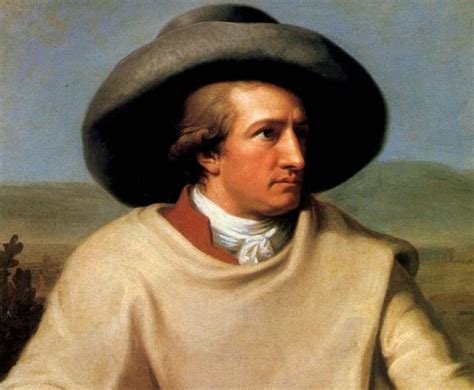
‘Art, for Goethe especially, was all about a voyage to the “other” and not concentrating on oneself, which is very much a minority view today,’ says Said. ‘There is more of a concentration on the affirmation of identity, on the need for roots, on the values of one’s culture and one’s sense of belonging. It’s become quite rare to project one’s self outward, to have a broader perspective.’

I find the quote interesting and consoling. J SS Bach is a portrait of lives and eras infinitely removed from mine. I rooted myself in place, visiting the main sites of the book in Europe, Australia and America, but I’m neither a woman nor a cellist nor a composer nor a Nazi nor a Holocaust survivor. I felt almost guilty about that – but of course, I am a novelist and Said’s reflections on Goethe remind me that is a novelist’s job: to go on a voyage to ‘other’.

Goethe does get a mention in my novel, which explores Music and the Holocaust – he used to walk out from Weimar to sit beneath an oak on a hillside which would later be incorporated into the concentration camp Buchenwald. ‘Buchenwald was designed to be near Weimar,’ Said informs us, ‘which had been romanticized as the city at the very pinnacle of German culture: Goethe, Schiller, Wagner, Liszt, Bach all had lived there. Nobody could fully comprehend the proximity of such sublimity to such horror.’

I don’t fully comprehend it – which is why I’m reading Barenboim and Said’s conversations even after two decades of exploring the ‘parallels and paradoxes’ of sublimity and horror.

Winter writing in the Pyrenees

December 3, 2017

Canigou

I’m set to take the dawn train down to our goathouse in a Pyrenean village for a week’s writing retreat. I’m crazy, I’m told, for this seems foolhardy in winter; when I seek a kinder word, I’m offered romantic. Truth is that it will take a couple of days for the oil fired electric heater to bring the temperature up to human compatibility.

It feels important though. This year has been so intense it’s the first in more than twenty that I haven’t made it down to this retreat spot, and I don’t want to let the year pass that way. Time down there removes me from business concerns and world affairs as I walk in the mountains. It’s tuning in to the natural world, and seeing how my creative juices respond.

It’s a time of grace too, the last throes of a study leave when I have been relieved from teaching for the semester. In the past I’ve gone to France empty, and seen what idea emerges; a story collection has surprised me in that way. Now I am working to bring various tasks to fruition. My mod is to keep writing projects alive for decades. I write a draft, let it settle, then come around to tackle it again. I don’t let things go – so my new way of creating space for something new is to release some of this old material.

That has brought me to publishing three books in the space of a year. Client Earth came out last May (in the USA April 2018); Forever Konrad: A Vampire’s Vampire came out in November; and my novel of Music and the Holocaust, The Jackboot and the Rose, is due from Wrecking Ball Press next Spring. That has just been through its final draft – 2,500 words trimmed away, a new chapter restored, and I also took the chance to input experience gained from walking around Terezìn.

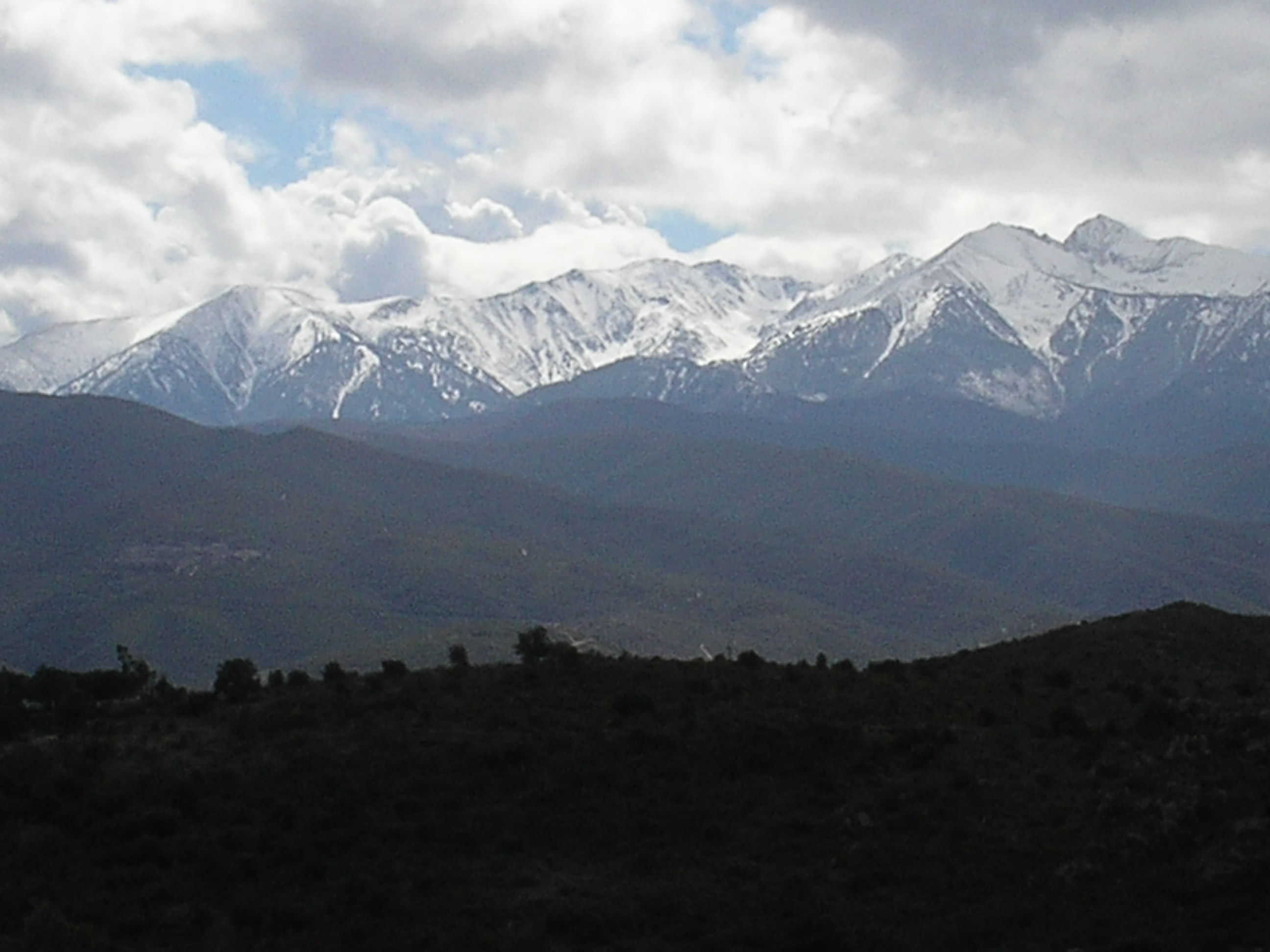
I’ve completed a long narrative poem these last months too, and submitted a couple of funding proposals for big nonfiction projects. What I’m taking to France for the week is a Young Adult Novel; that one’s been hard, another decades long project. I’ve stripped it way back, written much of it anew, and am liking it now. I have also found myself writing up the summer’s trip to Australia as part of a longer nonfiction piece. I went there with a sense of its being a field trip. Back in England, the Queensland part of the journey found its shape. I hope this time in France will let me capture the visit to Uluru. My daily morning walk takes me in a view of Canigou, the sacred mountain of the Pyrenees. Doubtless it’s capped in snow just now. Perfect company.


Forever Konrad: A Vampire’s Vampire

November 4, 2017

Erikson-Lees cov copyA Powerful & Disturbing Experience‘ – Ramsey Campbell

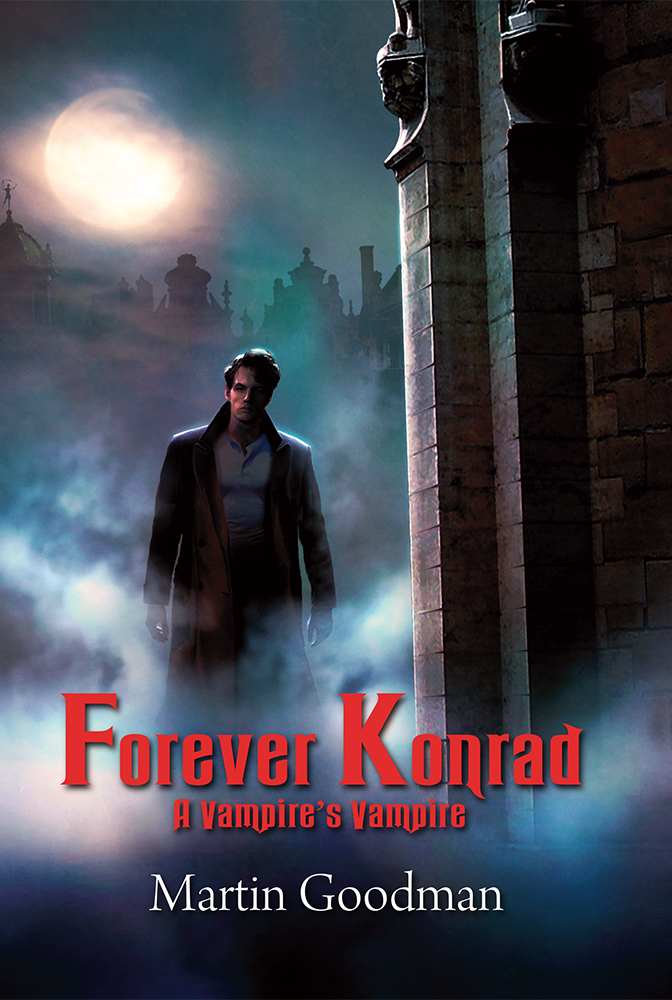
One night in Hull, I woke from a dream of being a vampire.

A later vision of a woman standing on the beach at Zeebrugge, staring out to sea, drew me across the North Sea and into medieval Europe. I began FOREVER KONRAD: A Vampire’s Vampire in a cabin of a P&O Ferry on the night of my return.

Born in Görlitz in 1656, Konrad allowed himself to be taken by an Ancient, an Ur-Species that r=predates our sense of vampires. He hoped to write the life story of the Ancient. When he came round that Ancient was gone – and so instead he writes the true stories of his kind, for his kind.

This is the first human edition of one of those tales. It brings the vampire tradition back to East Yorkshire – to Hull and the village of Cherry Burton – and does so with a vengeance.

Reviews

‘An intense and compelling tale of the supernatural, Forever Konrad shows us all the stages of a monster coming to maturity. It combines psychology at its darkest with a genuine sense of the uncanny – a powerful and disturbing experience.’ –   Ramsey Campbell

‘Martin Goodman has created the baby from hell, mashing Rosemary’s Baby, Interview with the Vampire and The Mummy’ into a darkly blood stained adventure that moves across space and time in a new twist on the vampire tale. Told in an intense and intimate style Dr Spock would not have approved, Forever Konrad is a treat to read – a gripping, uncanny, gothic adventure.’ – Clive Bloom, author of Gothic Horror. Emeritus Professor at Middlesex University

View The Trailer

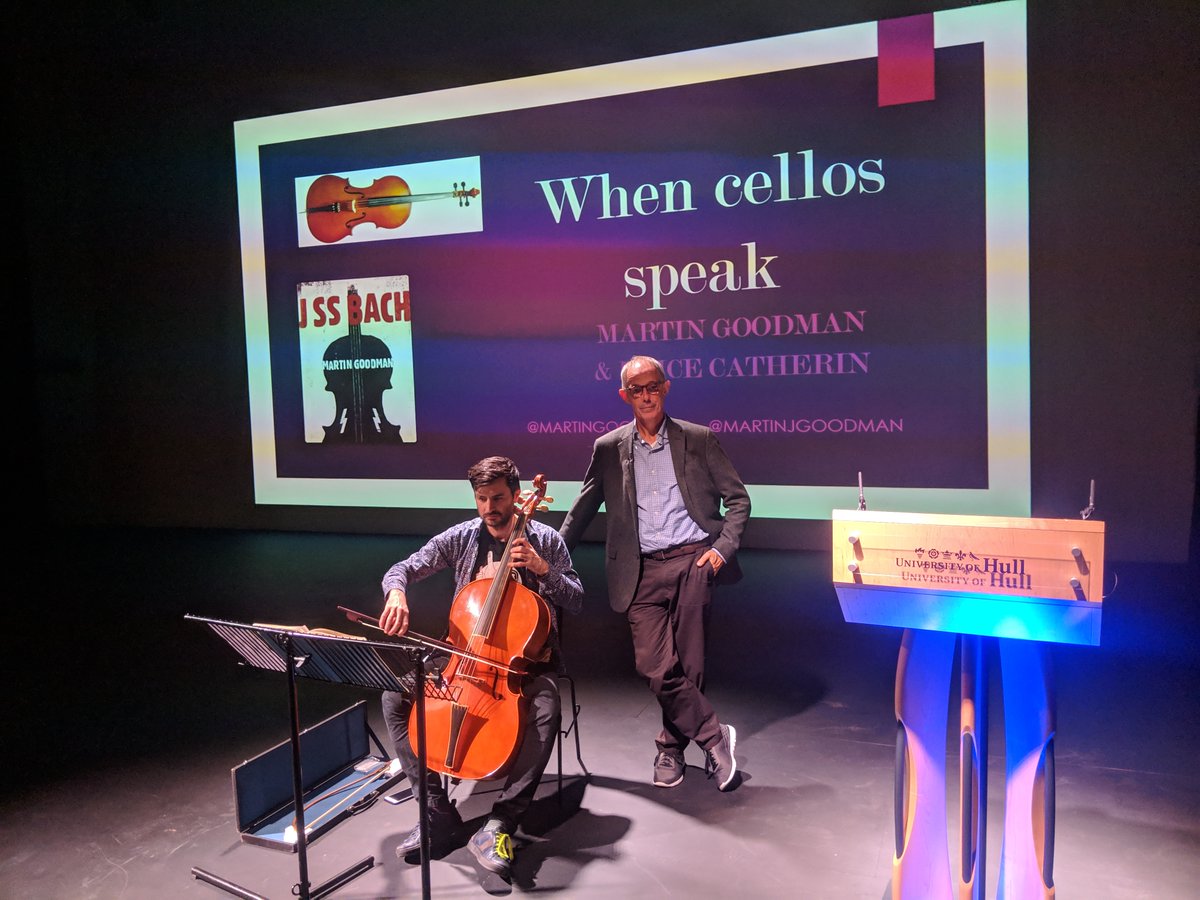
I discussed Forever Konrad & the whole tradition of Vampires in Yorkshire with Gothic experts Dr Kevin Corstorphine and Dr Catherine Wynne (who reveals a Dracula secret from Whitby) at the University of Hull. Watch the whole discussion.  Or  tune in to the reading from the event, Chapter 4 of the novel and a little boy in Cherry Burton discovers a taste for blood.

Konrad tweets, when he can bestir himself, @ForeverKonrad   (Martin @MartinGoodman2)


Client Earth

November 4, 2017

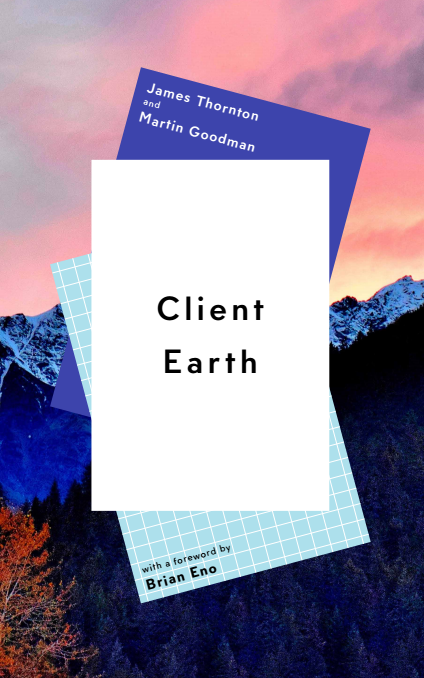
Screen Shot 2017-03-07 at 11.16.10Client Earth, written with my husband James Thornton, tells the tale of ecolawyers out to save the planet.

Lawyers are great strategic thinkers. Back in 1970, when the Nixon administration brought in a raft of great environmental laws in the US, ecolawyers didn’t just sit back. They formed into groups that could hold the government to account should it ever backtrack on its commitments.

And of course the government did. James started in America, when Reagan decided water pollution was a good thing, and shamed the Environmental Protection Agency back into doing its job.

That’s an exciting story, and countless more follow after James heads to Europe to set up Client Earth. Four years of writing took me around the UK, to Brussels, to Poland, to Ghana and the USA. The tale of China that closes the book is a radically optimistic close.

I see the whole books as an evidence-based narrative of hope. It’s been ` warming experience, taking the book on the road around the UK and Australia, and seeing the effect it has had.

‘A hopeful book about the environment and a page-turner about the law.’ – The Guardian

‘A great book about how to save the planet using the long arm of the law’ – Coldplay

‘The book is inspirational in a hard headed, let’s go to work-and-get-real-results sort of way … There’s a global vision. It’s quietly amazing. One of the more significant books of the year.’ – Oxford Today