Summer reads: the thrillers

September 17, 2016

2015-07-10-13-30-53As part of summer reading, I line up a bunch of thrillers. Here are thoughts on this summer’s stack.

Noah Hawley Before the Fall: The big new thriller of the summer. Plane goes down, and then readers are sent jumping back in time to see what brought it down, and what brought the passengers to be there. Thornton Wilder did this job of tracing characters back from dead to big moral cause terrifically in The Bridge of San Luis Rey, a slender book. This plane crash, nonsensically, allows for two survivors which changes the game a little. It manages some effective insights into the human condition and a range of real characters but the artifice is laboured and I was glad to speed it to a close. Ultimately it also felt exploitative of a big recent air crash in Europe, but to say why would be a spoiler.

Robert B Parker Night Passage A good way through this one, I realized I’ve read it before. To write about it now I had to pick it up again – what the hell was it about, I wondered? A good central police guy reinventing his life in a corrupt town in Massachussetts, it’s a good read. The premise of a bank official setting up a militia to take on big government reads like a US dystopian version of Dad’s Army, but is weirdly the constituency Trump speaks to when he talks of defending the the second amendment and insinuating folk might assassinate Hillary Clinton.

John Grisham The Testament  The best of the bunch. A billionaire dies, wilfully and dramatically, and the wastrels of his family cluster to pick over the spoils. Avaricious lawyers spur them on – the Grisham touch. Meanwhile out in the Patanal, a vast eco swamp in Brazil, a Catholic missionary works quietly with a lost tribe. (For a related and splendid book, try Ann Patchett’s State of Wonder.) Grisham’s worlds contain a grand clash of opposites – vast wealth of capitalism meets someone set wholly aside from money in a different realm and value system. Terrific. I enjoyed the setting, and its eco elements. Add the steaminess to the outlook on religion and a scheming world, it made me see how John Grisham in his prime can carry the mantle of Graham Greene.

Harlan Coben The Innocent   I can’t remember a damn thing about it as I sit here. Back to the book for a reminder. Oh yes, the clean-living college kid gets imprisoned for murder, hooks up on release with a clean-living college girl, but all is not what it seemed. Well done, in writing terms an effective use of an occasional second person voice (‘you’), and ludicrous.

James Lee Burke  Sunset Unlimited  This one’s sat on the shelf for years. Hints of purple prose in long opening sentences used to put me off, but in fact it’s very well done. The writing draws you into the steamy landscape of Louisiana as Dave Robicheaux works his small police department against a cascade of crime and death. It’s a curious moral world of karmic return rather than police justice, as the bad players get what’s coming to them. The guy’s a master at capturing characters in paragraphs of descriptive detail.

My father’s grave, Rempstone

September 17, 2016

Rempstone moved its church some centuries ago. Its old graveyard remains behind scraggly hedges in the centre of a field, a yew tree breaking through the box tombs.

fathers-graveMy father Cyril Goodman now lies at the edge of the new churchyard. It wasn’t the easiest relationship in the last years. In his last moments I sat with him alone and held his hand as it turned blue. At his funeral, his last wife stood by the grave in a black fur coat, threw in a long stemmed red rose, and then retired to their house for the reception. I stayed behind and wept.

Lil was a constant even as our family changed. She took the bus from Leicester to clean a succession of family homes, and kept on coming. This last home was the Old Rectory, where Oliver Cromwell once went to school. On wet days, widow and Lil came to the grave, widow with an umbrella and Lil with a bucket. The widow held the umbrella while Lil knelt and scrubbed the headstone clean.

The gold lettering has worn off so it’s hard to read. Its headline is ‘Darling Wife of Mary’ and maybe that was so, though even then history was editing out the earlier times.

I once found the gravestone obscured by moss so when I drive near now, every few years, I bring along a scrubbing brush and bucket just in case.

On my mother’s grave

May 7, 2016
Mother's Grave

By my mother’s grave – Kathleen Mary O’Neill, 1932-2002

My mother had a clear spell in her illness in which to discuss her funeral. She chose a service in the chapel of Loughborough’s convent.

Her coffin was woven out of willow. Cars followed it to a country lane and the grassed hill at its end. This was a natural burial ground, newly sectioned off from a working farm. The grave was dug at the edge of a stretch of woodland at the flat base of the hill.

It was a double plot so her husband could join her, though as she predicted he vanished overseas soon after her death.

The graves are marked by the planting of a tree. She chose a silver birch. Such a tree should grow tall and fast though not live long.

Spindly and not much taller than her after twelve years, it’s hanging in there. I find the site from memory and sit.

My first time here the site had become a meadow rich with wildflowers and humming with bees. Many burials and memorial trees later, it’s becoming a woodland.

I sit and remember.

On saying husband

April 25, 2016

You know a man is straight because he tells you. It’s slipped into the first conversation – my wife, my girlfriend, the girl I fancy, he says.

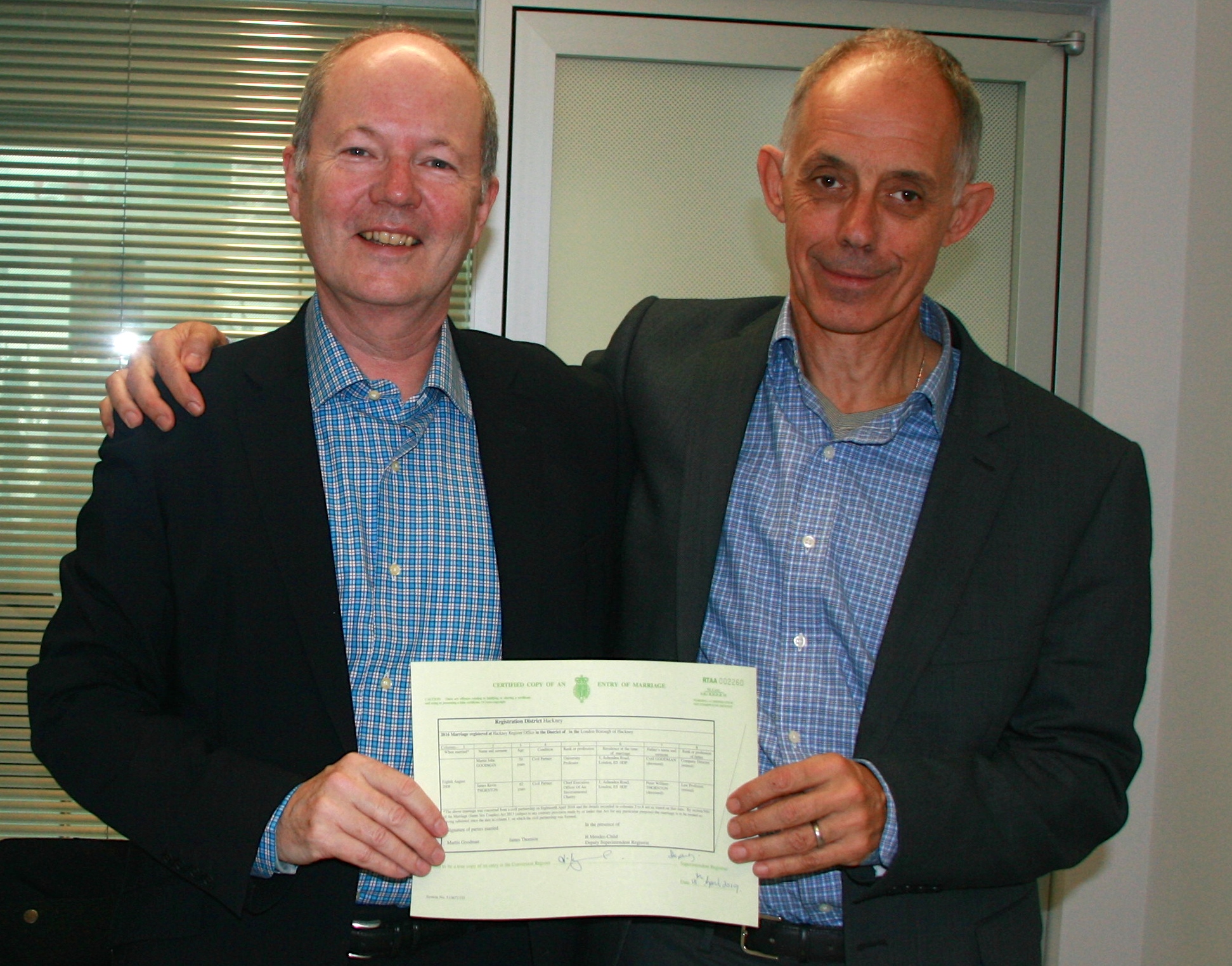
For years, a gJames Thornton Martin Goodman marriage signingay man was less forthcoming. For someone in a couple, ‘partner’ might creep in, without a pronoun.
In 2008 I had dinner at a table that included the writer Philip Hensher. The volume of his voice went up, so everyone would hear him, and he spoke about his ‘husband’. He used the word like a social activist might, again and again, with pride very likely but also to shock.

I was dubious. Armed with a civil partnership certificate, I was a man who used the word ‘partner’, though had not done so over dinner. ‘Husband’ seemed a presumption. I preferred the word ‘mate’ but never used it.

Last Monday that changed. We passed through the atrium at Hackney Town Hall to a modern corridor at the back. At 3.20 our number was announced and a glass office door clicked and unlocked. James and I went inside to meet the registrar, Helen.

‘Is this a same-sex marriage or a civil partnership?’ she asked.

James Thornton Martin Goodman same-sex marriage certificate‘Neither,’ I said. ‘It’s a conversion, the civil partnership into a marriage.’

‘Well no one told me,’ she answered, and left in search of the paperwork.

Things clicked forward from there, Helen a happy presence to have in the room. We answered our questions to complete the forms.

‘Are you nervous?’ she asked.

We both were, a bit. The appointment was fitted into a working day but we had dressed up. I felt a sweep of anticipation on walking in, my head swamped with the significance of the moment.

Now it came time to read out my vows.

I saw the word coming and tears welled up. My voice faltered. I worked through the sentences that led up to it. This was no longer my lexical choice. The government required this word of me.

‘My husband,’ I said to James, and he, without faltering, said the same to me.

Martin Goodman James Thornton registrar Helen Hackney

Our gay weddings

April 18, 2016

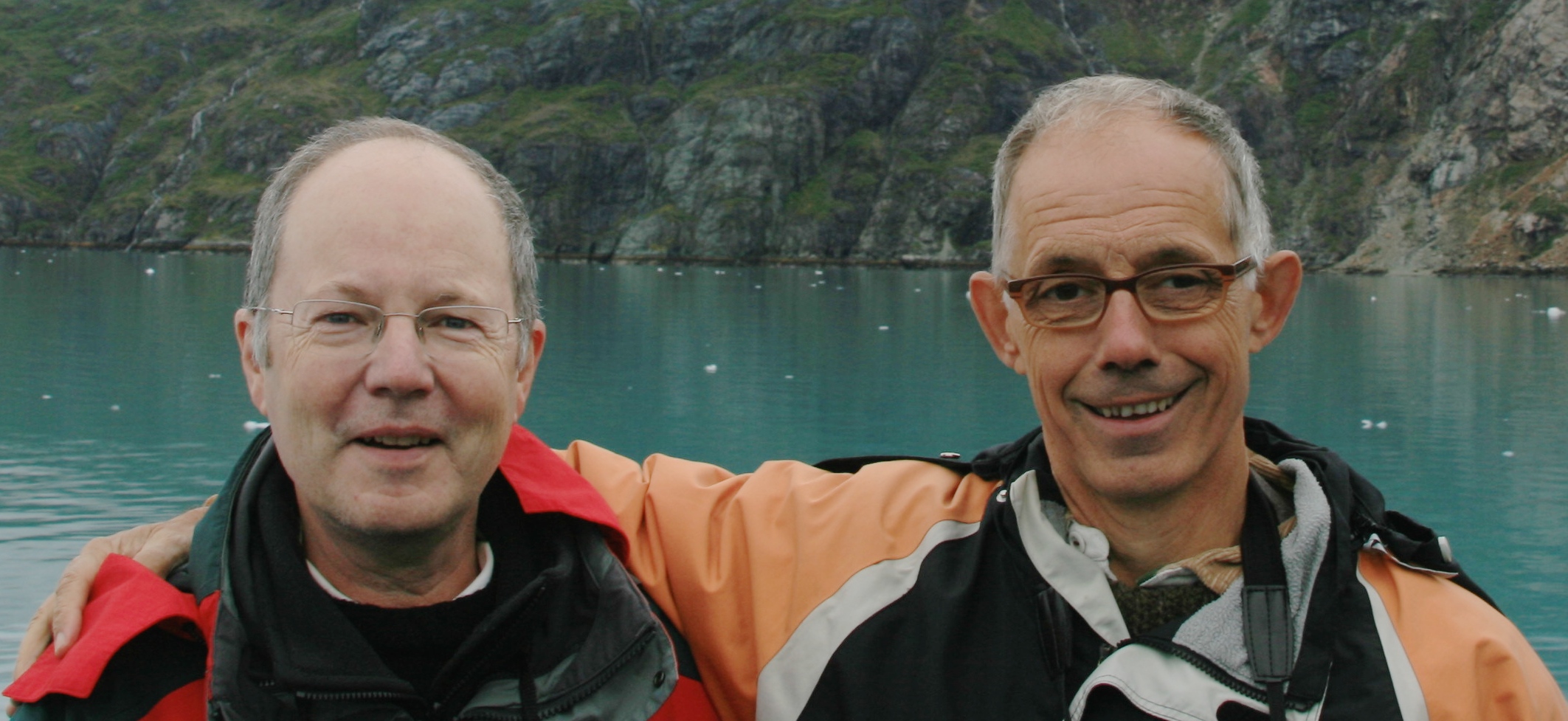
James Thornton & Martin Goodman, Alaska 2015

Before the chance to get married, gay couples collected a range of anniversaries: the first meeting, the first date, the first bonding, moving in together. James and I clocked our first wedding on February 13th 1997. We lived in Santa Fe, New Mexico. The morning paper announced a mass wedding of lesbian and gay couples on the steps of the Capitol building. The State Senate was voting in a law that blocked New Mexico honouring any same sex marriage law in other States. Our mass wedding was to be in protest.

I had been shrill against the idea of our marrying. It was a heterosexual institution we had no need to ape. Mine was also an adolescent response. ‘You say I can’t do it? Well I don’t want to anyway!’ The newspaper article flipped my mind around – never accuse me of constancy! This was marriage with no formal recognition as an act of rebellion. Bring it on!

The service was multi-denominational – Jewish, Native American and Christian. The Evangelical Anglican Church came good for the Christians, while some shy Catholic priests smiled support from the back of the crowd. Star of the show was a lesbian Navajo medicine woman. The moment she held high her arms and called in the power of the eagles, snow started to fall. When she pulled her arms down, it stopped. Santa Fe is like that.

I’m shy of showing affection in public. Our first kiss, a modest peck, was the headline item on NBC news that night. We moved back from the cameras to receive the full Anglican wedding ceremony from Rev. Rusty Smith. That afternoon we bolstered the occasion and wheeled a caravan through snow to a piece of land. We now owned our first shared home.

Roll forward a decade or so, and we have moved to the UK. I’m British, James is an American with dual Irish citizenship. US laws made it hard to stay together and the UK was more liberal.

‘Oooh, that’s a very popular date,’ Plymouth Registry office said of 08.08.2008, when we booked our civil partnership ceremony. The 08 run was particularly popular with the Chinese. We handed in our choice of music for walking down the aisle – Kurtag’s transcription of Bach’s Gottes Zeit ist die allerbeste Zeit as a piano duet played by Mr & Mrs Kurtag. The Plymouth Registrar took the CD away to do some research. She came back with regrets. ‘Gott’ translated as God. She had to ban our music. Any display of religion was not allowed in civil ceremonies.

We came down the aisle to a little lilt from Boccherini. I had invited two family members to be witnesses but they said they were too busy to come. That confirmed a preference for keeping the event quiet. Who could give clear witness to the love we had for each other? Which guests would feel discomfort, and which might turn out for the gay novelty factor? A lifetime of loving in the face of disapproval leaves you vulnerable. The ceremony became a private celebration, with two friends from Plymouth standing in as witnesses.

A ferry ran from Plymouth Hoe to Devonport, from where Charles Darwin had set sail on The Beagle two hundred years before. James was giving his life to saving the planet for Darwin’s species, and so it felt fitting when I booked us a table in a restaurant overlooking the Bay. As the ferry’s only passengers we stood in the prow and surged off through sunshine. Full-sailed yachts from an regatta caught the light as they wove around us. Our day became a joyful pageant.

And now we are allowed to get married. A chief benefit is that our partnership will be recognized outside the UK. We wondered about having a full wedding. The other weekend my niece got married, linking her Christian heritage with her husband’s Moslem one, and the fusion of lives and families was a big and truly happy occasion.

We don’t need another anniversary though. We have the religious ceremony under our belts, and our civil partnership was perfect in its way. A simple process in a registry office now lets you convert the civil partnership licence into a marriage licence. We are booked in at Hackney Registry Office on April 18th. The marriage licence is then backdated to the earlier one. Ours will declare us married on 08.08.08.

So how do we celebrate? As a lawyer, James is cheered by the legal nature of the whole affair. The licence renders full equality in the eyes of the law, and you hardly ever get to backdate a contract. A colleague in his environmental law group ClientEarth has offered to buy a cake. So we might head back, pop a bottle or two, and dare to celebrate in public. And I’ll carry the CD of Mr & Mrs Kurtag in my pocket, just in case there’s the chance to play it loud and proud.

The Zen master & the timber rattlesnake

April 17, 2016

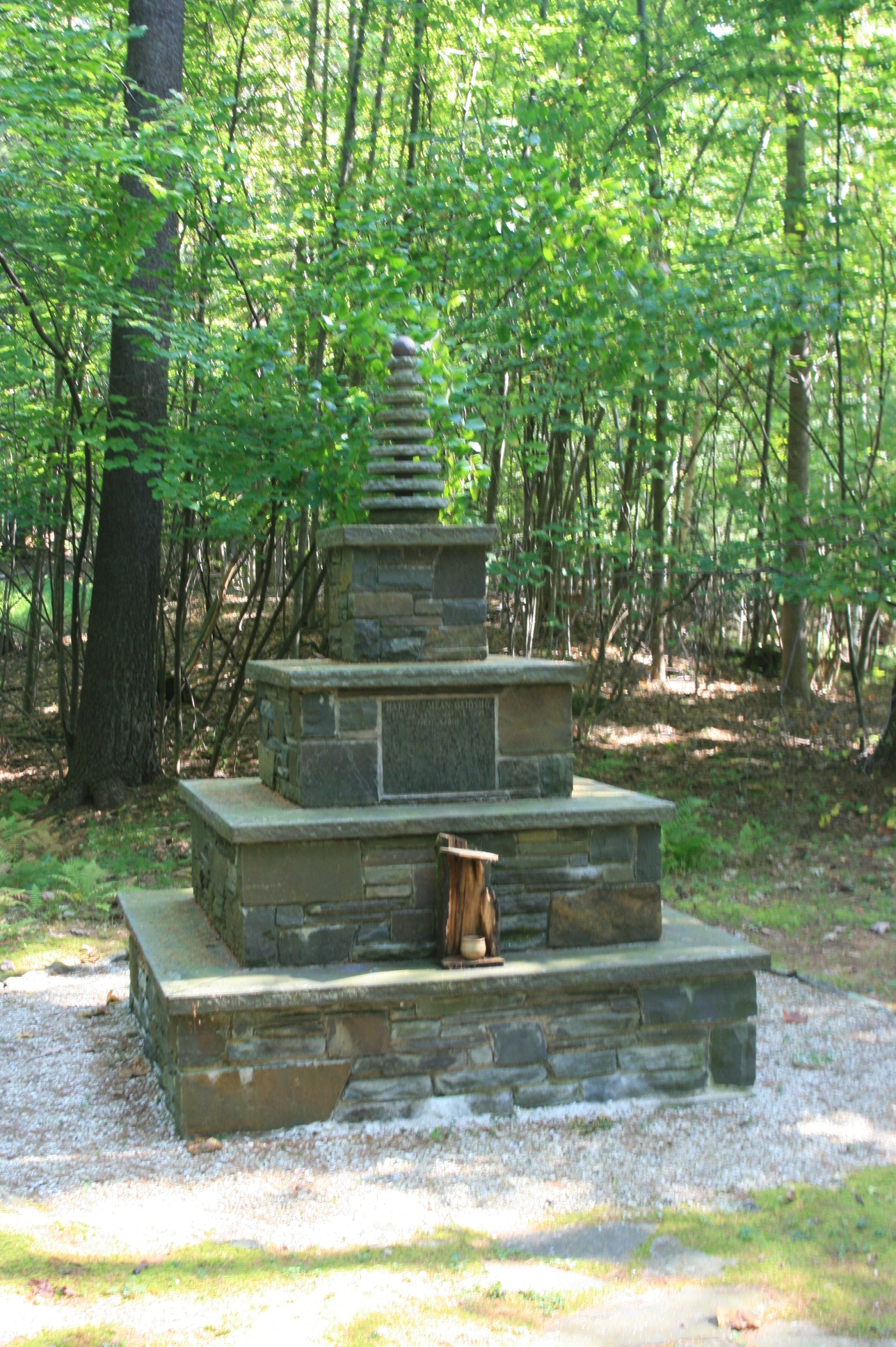
MaezumiRoshiStupaSeptember 2009 and I am staying in a Zen monastery in New York State. Its Abbot is dying, and I have come to interview him about his teacher and the place’s first Abbot, the Japanese Zen master Maezumi Roshi.

I am desperately impatient for my interview. A portion of Maezumi’s ashes is entombed in a stupa on the flank of the mountain. I decide to visit it and take notes, and maybe understand how the dead man has a live presence in the community.

I run up the path. Some streak of life flashes across the ground before me. I twist my tread aside to avoid stamping it to death. It is a timber rattlesnake, with a double-diamond patterned back and a paler stripe along the sides of its darkness, a juvenile about two feet long. Once off the path, it merges with the forest floor. I crouch, and then sit on the dirt floor to be in its company. Now I am still it is content to wait. Its tongue flickers and its black eyes shine. Some twenty minutes pass. I am calmer.

Death on the River Lea

April 16, 2016

Death on the River LeaHackney police tweeted an appeal: ‘“Jack SUSIANTA aged 17, missing from E5. Last seen wearing blue converse T-shirt, green shorts and grey socks. Subject does not have any shoes on and is possibly on a bicycle.”

He was found. The next day, answering a welfare call from his parents, police visited his home. Jack broke a window and fled. He was spotted on Hackney Marshes, mid-afternoon, and jumped into the River Lea to escape. For ten minutes a hundred people watched him surface and go under, surface and go under. Police threw ropes and lifebelts at him but he refused to grab them. They stopped others jumping in, for safety reasons they said. When he stopped coming to the surface the police finally entered the water. They found his body 90 minutes later.

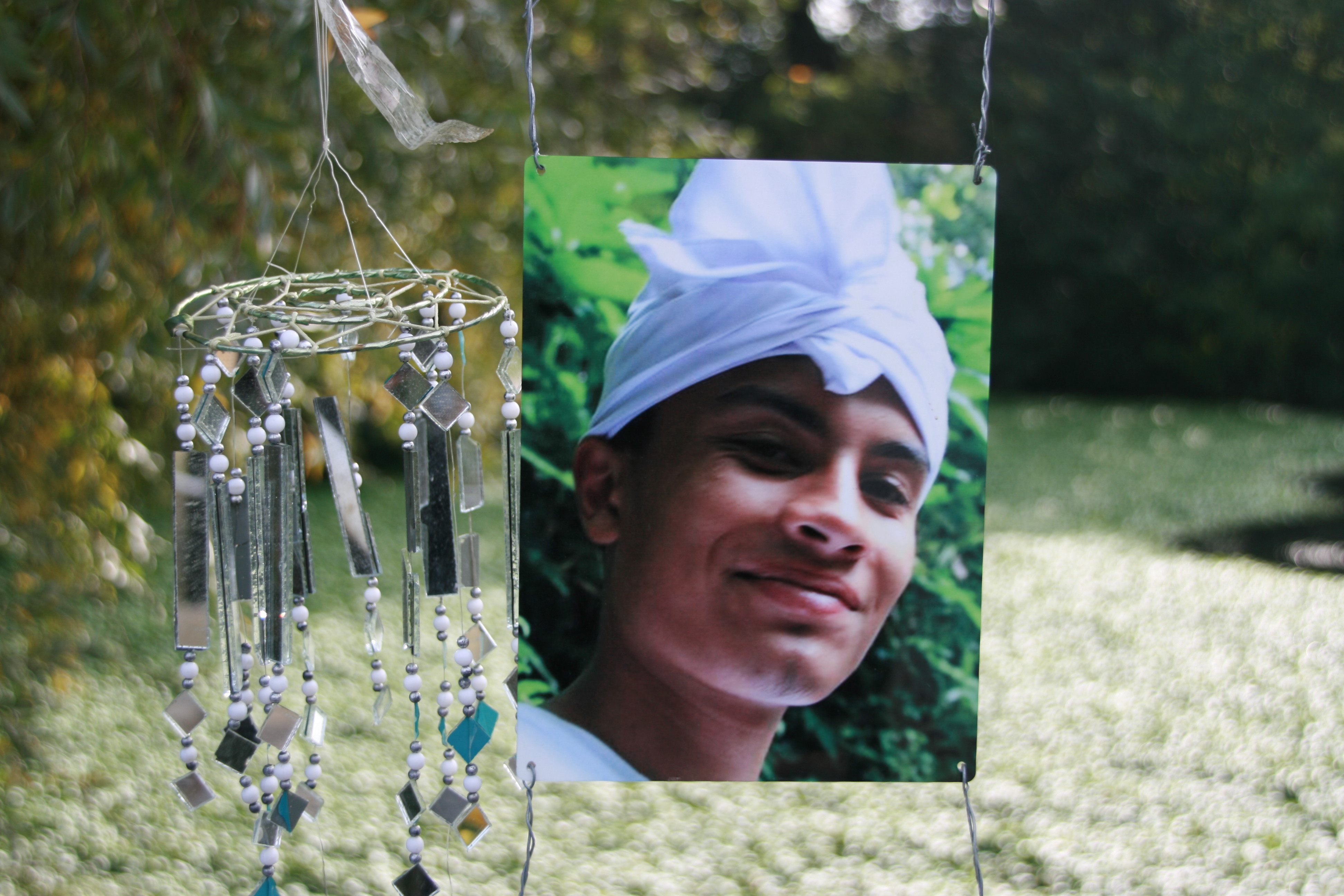
He was seventeen, at a local sixth-form college. His father’s relatives flew in from Bali for Hindu prayers on the bridge. Its railings became a shrine, with sunflowers woven through it. Candles and incense burned, flowers brought and refreshed. Friends left messages on T-shirts, shorts, in letters and poems. ‘Jack, My brother and friend. You were always happy and smiling and telling us about your future. You will be missed more than you’ll know. We all love you Komang. Mais xoxo.’ Passers-by paused and family groups wondered at the tragedy and the love.

Months later his laminated photo still hangs beside crystal beads, smiling.

Philip Larkin’s Grave

March 15, 2016

Julian BarnesPHILIP LARKIN'S GRAVE agreed to come and talk to students at Hull about his book A Sense of an Ending on one condition – he would be taken to visit the grave of Philip Larkin.

Cottingham claims to be England’s largest village and swells to join itself to Hull. I drove out to the cemetery at its far side, so I could learn the way and lead Julian Barnes directly. A main road edges the cemetery so traffic sounds intrude through a high hedge, but otherwise there’s a sense of rural calm. Gravestones are low and many.

A man walking his dog guided me through the maze. I sat on the grass while rabbits grew used to me and hopped closer. My phone rang. My partner was overseas. ‘Where are you?’ he asked. ‘I’m sitting on Philip Larkin’s grave,’ I replied.

The gravestone could have stated ‘Poet’ or ‘Librarian’ but Larkin chose simply ‘Writer’. I brought Julian Barnes to stand before it. Some rows behind the grave lie the remains of his girlfriend Monica. Away to the left lies another girlfriend, Maeve. She has chosen Larkin’s lines for her own epitaph: ‘And what remains of us is love.’

Birdwatching in Goa, India

January 17, 2016
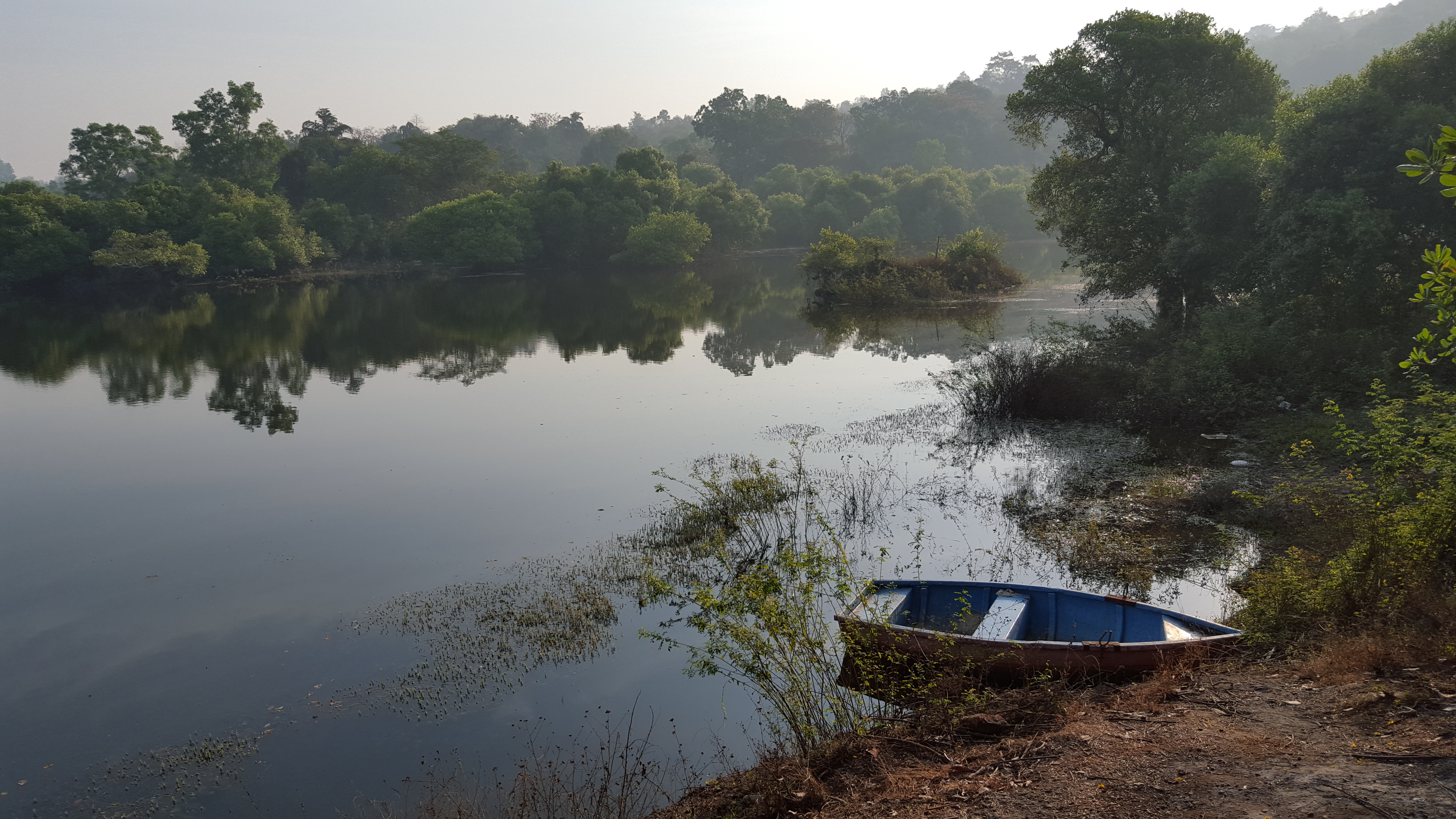
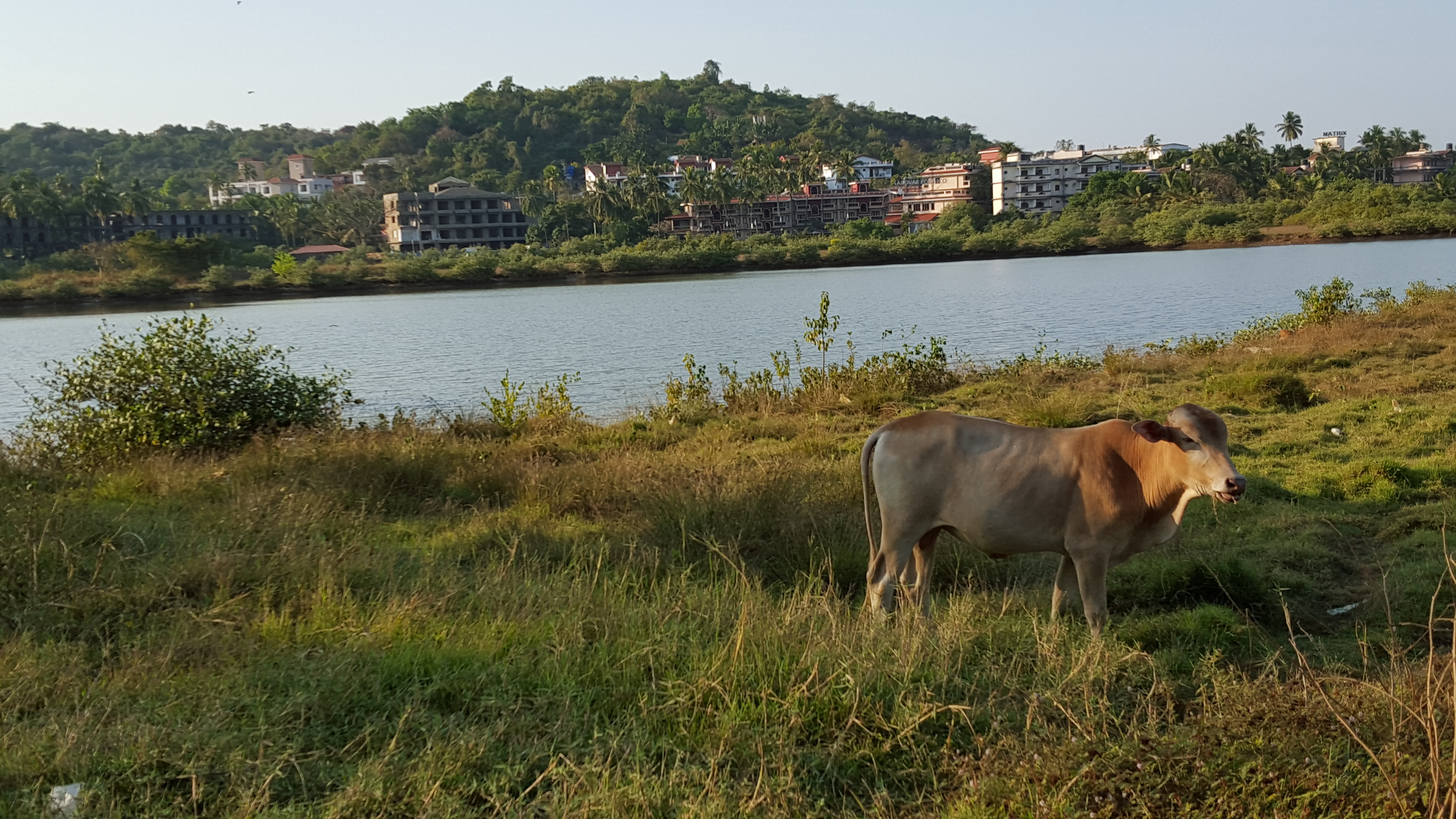
Martin Goodman Zucari River

On the Zucari River

Dreams of the last few nights have been about birdwatching. I even lay awake a while, eyes closed, and watched the image of a warbler flick and dart across some twigs.

As a pattern, we’ve been taking a winter break to see birds: first the Gambia, then Costa Rica, and this time

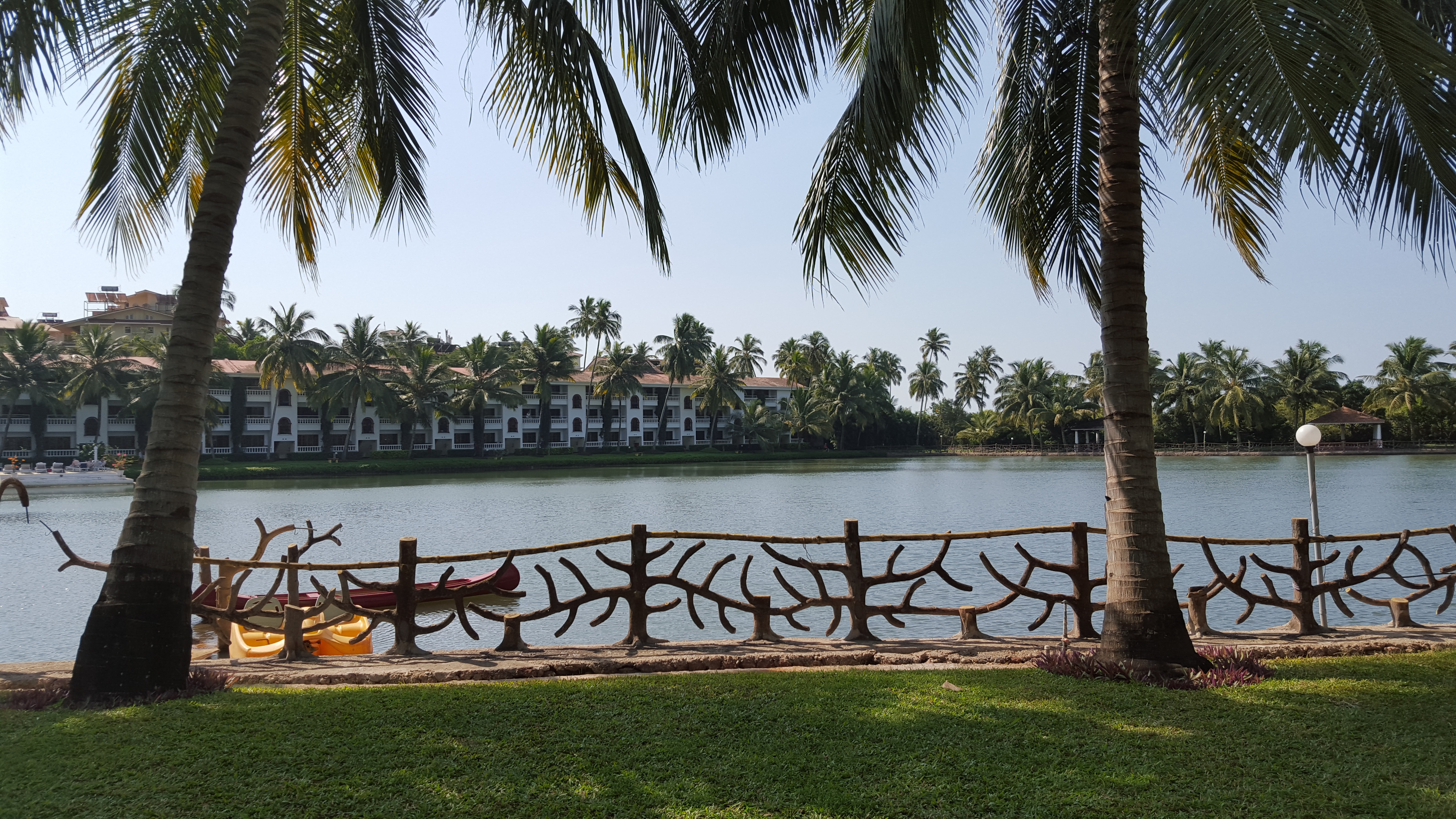
Marinha Dourada Goa

The party spirit of nearby Baga Beach is encroaching, noise often blasting through the night. People that
have known the place through the years moan about the changes: the salt pans outside the hotel are now flooded, so the birdlife is much reduced. Our own sense? We were late, but not too late. That’s truly the story of the natural world across the planet: magnificent and oh so threatened.

Malem Lake

Malem Lake

We saw 239 species of birds in the two weeks, on solo trips and outings with guides, including a few days of total immersion at Backwoods Camp. The owner there said the number of species remained high; it’s just that the density of birds was much lower. It took some stalking, and patience, for a new bird to reveal itself

I’m a novice birdwatcher. That patience of standing in a field, a forest, on the shore, waiting for a new bird to fly in, was new to me. It’s a form of meditation: letting the attention go wide while also maintaining focus, staring into emptiness to see what might pass across it.

Accumulating species was fun, and Goa has some crackers, from the jewel of the oriental pygmy kingfisher to the primeval weirdness of the Malabar Pied Hornbill, flying and screeching in pairs. My partner James stared at these in the field guide last night. ‘Look at these hornbills, and you can really see how birds descended from dinosaurs,’ he said.

Baga Hill

Baga Hill, Goa

My special moments showed birds and their behaviours (that’s maybe part of the writer in me, delighting in narrative). On top of nearby Baga Hill a rare find was the Blue-faced Malkoha, and the narrative there was tracking it from tree to tree. It stared back at us through its intense blue eyes, affronted. More common was the Indian Robin, the male black with white shoulders. At dawn one sang its way across a range of the hilltop, fanning its black tail wide in quick flashes, shaking its flowery russet rump, a female following behind as its rapt audience.

Birdwatching Carambolim Lake Goa

Birdwatching Carambolim Lake

I loved the Crag Martins fluffing themselves like chicks on a temple roof; the white-throated kingfisher swallowing a prawn that was larger than itself; the Brahminy Kite divebombing an Osprey in the hope of stealing its catch. Most dramatic was the Greater Racket-tailed Drongo, a dark bird with long tail streamers that are rounded by two paddles. They specialize in catching insects, but this one sat on a high branch and picked at a lizard it had caught, tugging with its beak, treading and tenderizing with its claws. My final view showed the lizard’s pink legs and feet disappearing down the upturned beak. One gulp, and the lizard was gone.

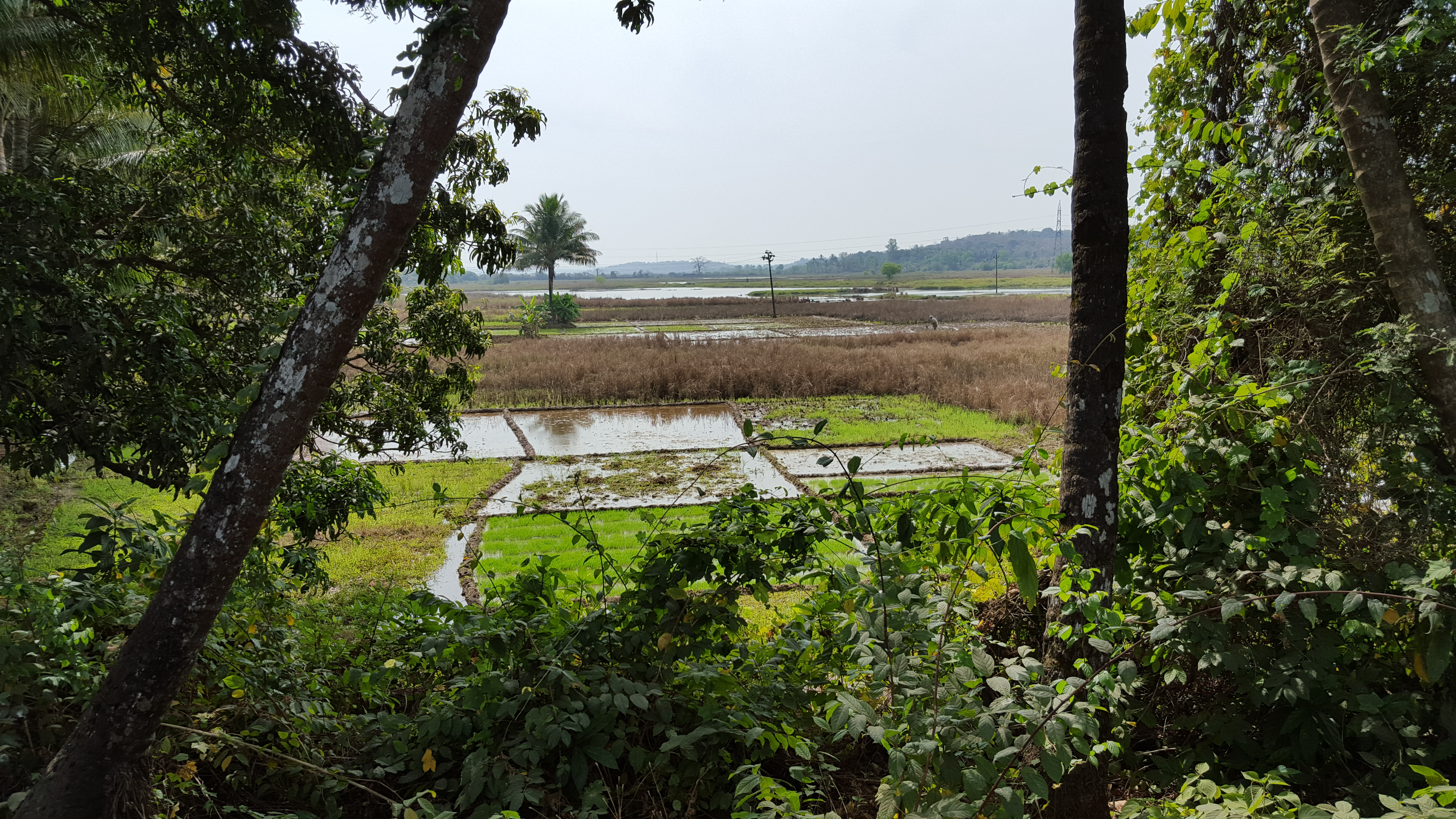
It would have made a fine photo, only we travelled light, with just just our binoculars. I wonder about Paddy fields Goabringing my camera, acquiring a long lens, but think we are right not to. For us, these times out in nature are not about capturing stuff, and they are a sweet break from computers and digital downloads. It’s a time of reconnection with the natural world. For a while, it colours my dreams.